What can family violence look like?

When people think about family violence, physical abuse is usually the first thing that comes to mind. But abuse can take many forms, and some of its warning signs can be much harder to see.
Family violence can include emotional, financial, spiritual, legal, and digital abuse. While these behaviours might look different, they share a common pattern of one person controlling another.
During Family Violence Prevention Month, learning to recognize some of these less visible signs can help us better understand when something in a relationship might not be healthy.
Abuse can look different than you might expect

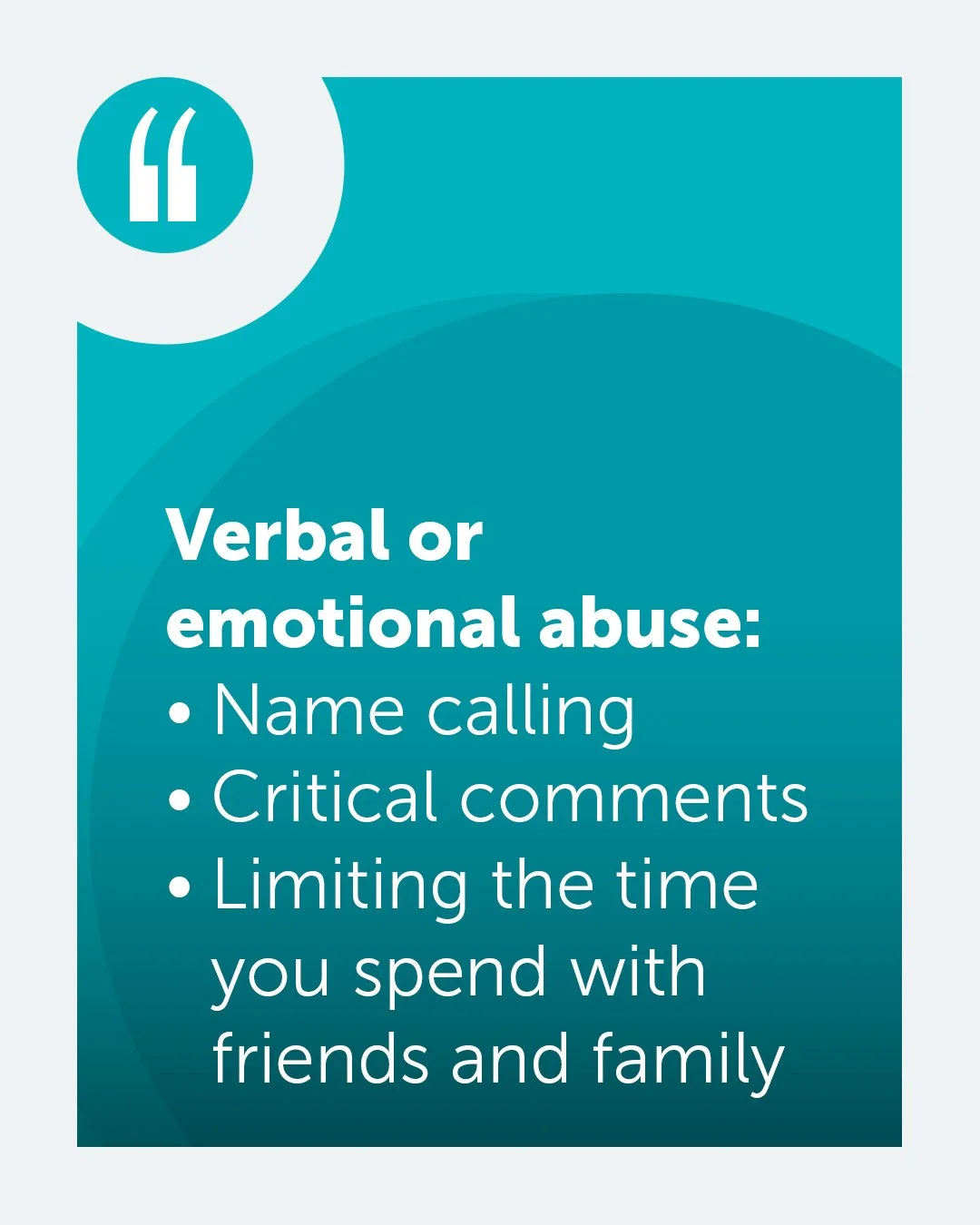
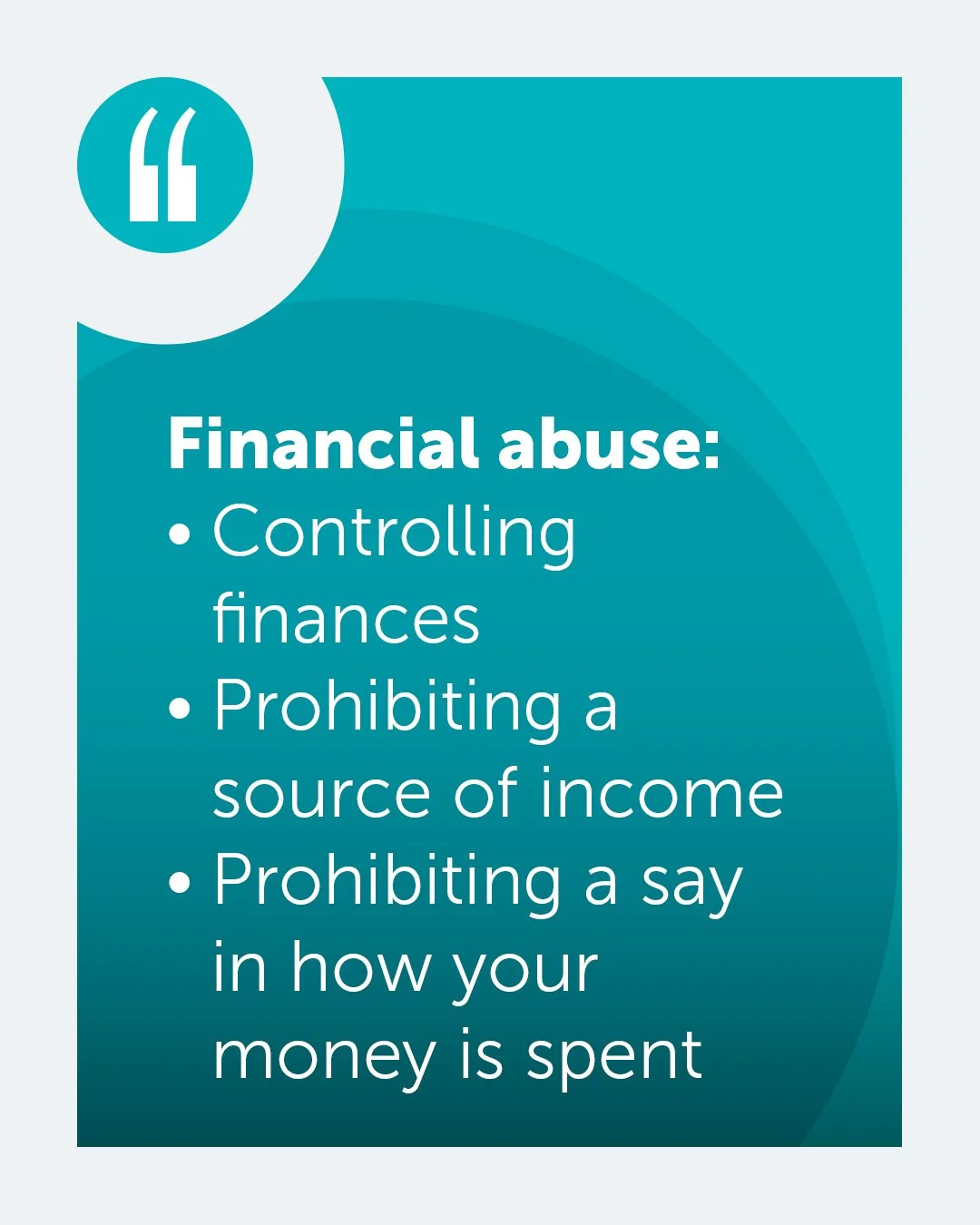
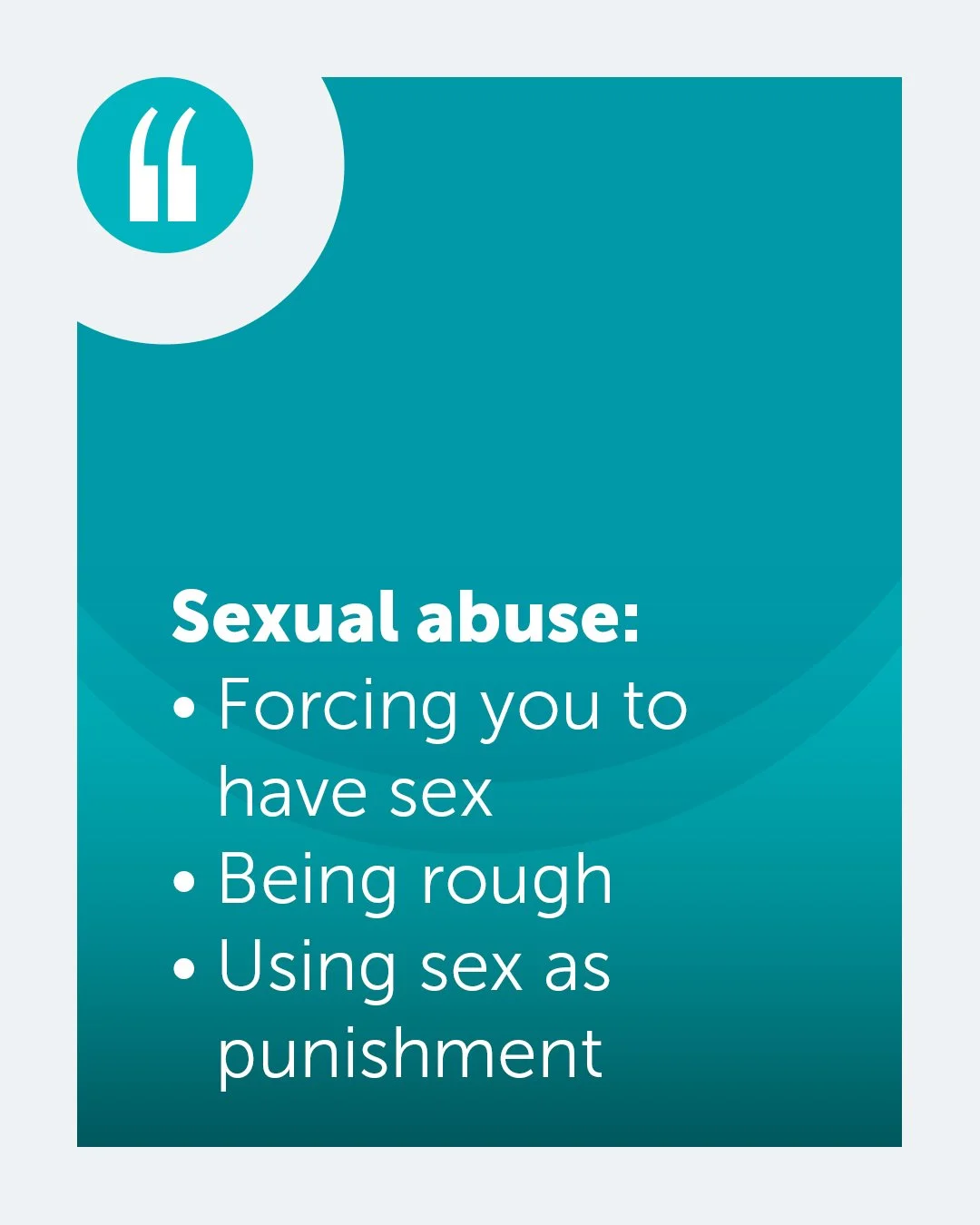
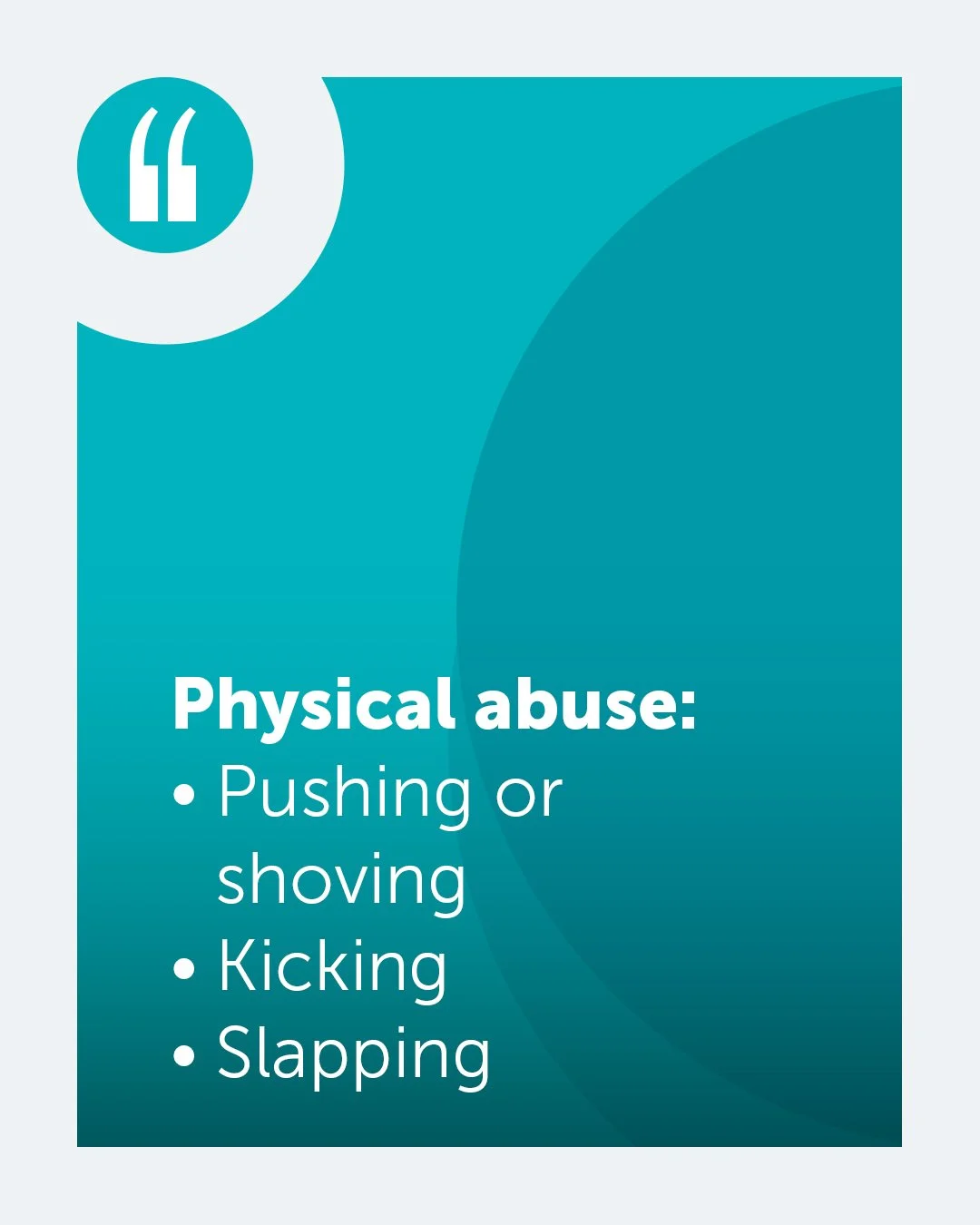
Forms of abuse can impact you in ways that are less obvious from the outside.
Emotional abuse, for example, uses behaviours like constant criticism or humiliation, causing you to question your own thoughts, values, and overall worth. Over time, this can start to affect your self-esteem and confidence in your ability to make decisions.
Spiritual abuse can involve using religious or spiritual beliefs to control, manipulate, or exploit another person. The person who uses abuse might use these beliefs against you, making you feel guilty and unable to participate in your religious or spiritual community.
Digital abuse uses technology to monitor, harass, or control someone through behaviours like tracking their activity, accessing their accounts, or constantly monitoring their communication.
Abuse can happen within intimate relationships, but these controlling dynamics can also occur within families.
Pay attention to patterns of control
Noticing abusive behaviour can be hard when you’re living in it. Instead of focusing on isolated incidents, look for a growing pattern of unhealthy or controlling behaviours.
There might be little room for disagreement in your family or relationship, or you’re finding that one person's opinions and decisions constantly take priority. There might be frequent questions about where you've been, what you’ve been doing, who you've been with, what you're wearing, or how you've spent money.
You might also feel pressure to explain your choices or notice that you're becoming more isolated from friends, family members, or other people you normally enjoy spending time with.
Although they can be hard to recognize, behaviours like isolation and intimidation are tactics used by abusers.
It might eventually feel normal to have to carefully think about what you say or do because you're worried about how the other person will respond.
One way people experiencing abuse describe this feeling is "walking on eggshells."
On their own, some of these behaviours don’t necessarily mean abuse is happening, but they can be signs that something within the relationship might not be healthy.
Abuse can change how you see yourself
One of the obvious reasons emotional abuse can be hard to recognize is because its impact often happens internally.
Repeated behaviours of control can lead someone to question their own judgment. They might project blame on themselves, wondering if something is wrong with them or if they’re responsible for what is happening.
Abuse can also affect a person's ability to trust others and imagine healthy relationships in their future. When someone has repeatedly been told their thoughts or decisions are wrong, trusting their own instincts again can become difficult.
Which is why simply recognizing when something feels off can be an important first step.
Something doesn't feel right, what can I do?
Start by checking in with yourself.
Ask yourself how you feel in the relationship or family dynamic, and whether there are behaviours that make you feel uncomfortable, fearful, or controlled.
It can also help to speak with someone outside of the relationship, such as a trusted friend, family member, or counsellor. An outside perspective can help when you're unsure about whether certain behaviours are unhealthy.
You don't have to understand everything that is happening before reaching out for support.
Starting the conversation can be a small but important step toward understanding your experience and finding accessible resources.
Change and support are possible
Calgary Counselling Centre offers individual, couple, family, and group counselling, including programs for people who have experienced abuse.
Whether you’re questioning behaviour in your family or relationship, worried about someone you care about, or recognize patterns in yourself that you want to change, you don’t have to figure out the next step alone.
Change is possible, and support is available.
Information for this blog was provided by registered social workers, Kyle Ho and Stefan De Villiers. Learn more about our counsellors.