
When your child’s anger isn’t really about anger
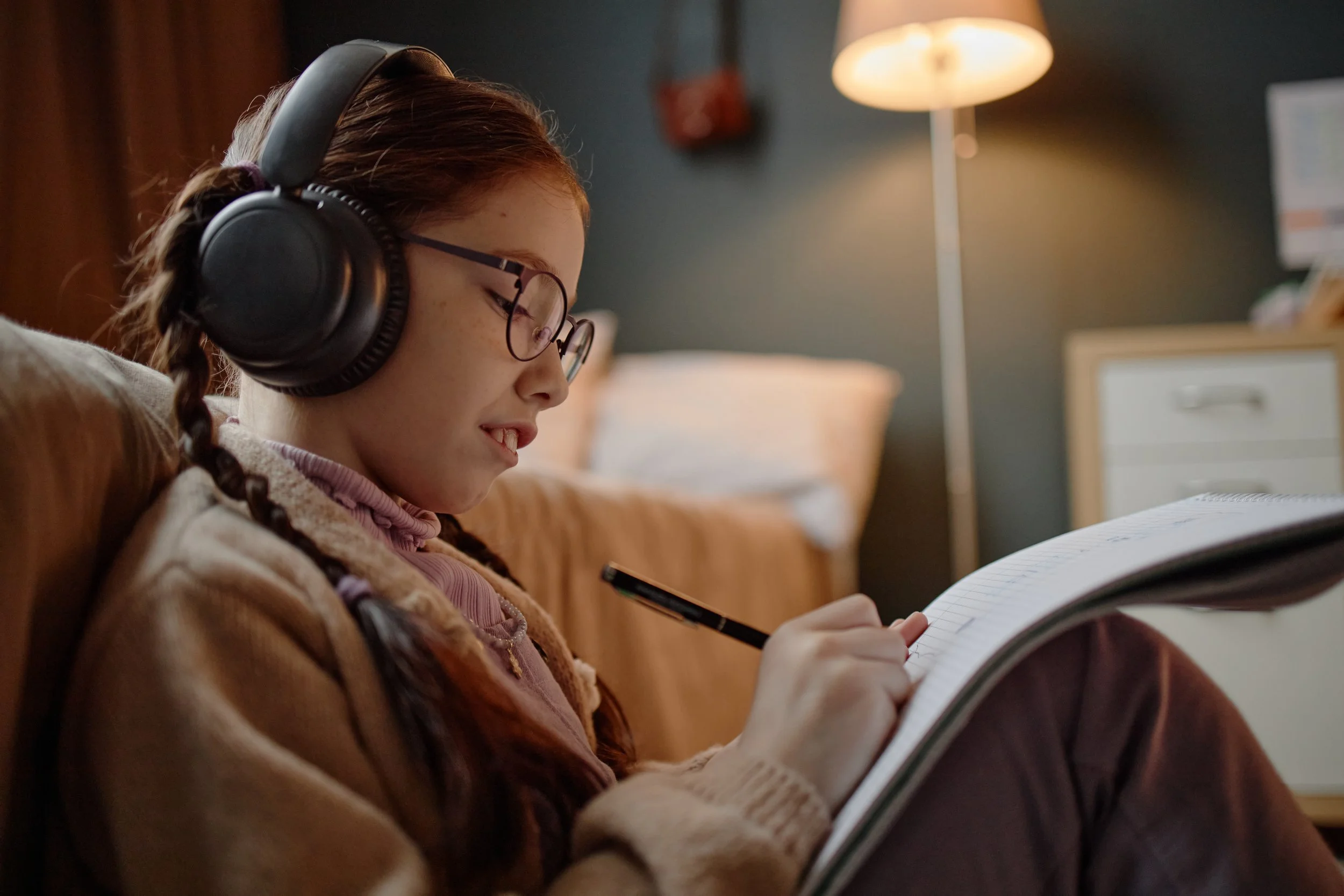
Picture this: your child walks through the door at the end of the school day, puts their bag down, and before you know it, their mood changes and everything explodes.
A simple question turns into yelling. A small ask leads to tears, slammed doors, or silence. And you’re left wondering, “Where did that come from?” Most of the time, anger in kids isn’t the real problem. It’s usually a sign of something deeper.
So, where does that leave you as a parent or caregiver, and how do you actually help in those moments? Here’s where you can start.
Understanding what anger might really be saying
When kids act out in anger, it’s usually because they don’t have the words or tools to communicate what they’re actually feeling.
It could be a sign that they’re:
Feeling overwhelmed and unsure of how to manage it
Feeling unheard and wanting to get your attention
Feeling anxious or fearful and struggling to express it
Feeling like they don’t have control over a situation
Sometimes, it can be more situational, like feeling stressed because of school, friendship challenges, or other changes they don’t fully understand yet.
Knowing that anger comes from deeper feelings can change how you respond and help them handle their emotions.
The impact of stress
More times than not, kids express anger because they’re stressed. They’re dealing with a lot of things at once — often for the first time. And when this happens, you might notice that they’re:
Withdrawing or shutting down
Acting younger than their age, like using babytalk or being overly clingy
Having trouble focusing or becoming more hyperactive
Complaining of stomach aches or headaches
Saying “I don’t know” when asked how they’re feeling
How you can help
When emotions are high, it’s not always the right time to ask big questions.
Start by staying calm, even when it’s hard. Kids model the behaviours they see, so if you stay composed and respond calmly, it can help them do the same. Validate their feelings by saying something like, “That looks really frustrating,” and give them space to calm down if they need it.
Sometimes, what helps most is co-regulation (helping them calm down with you). This can look like doing a rainbow breathing exercise, something playful that gets their body moving, or quietly focusing on a calming toy, like a sensory pad. These activities help send a message to their nervous system: “It’s okay. We’re safe. Everything’s alright”
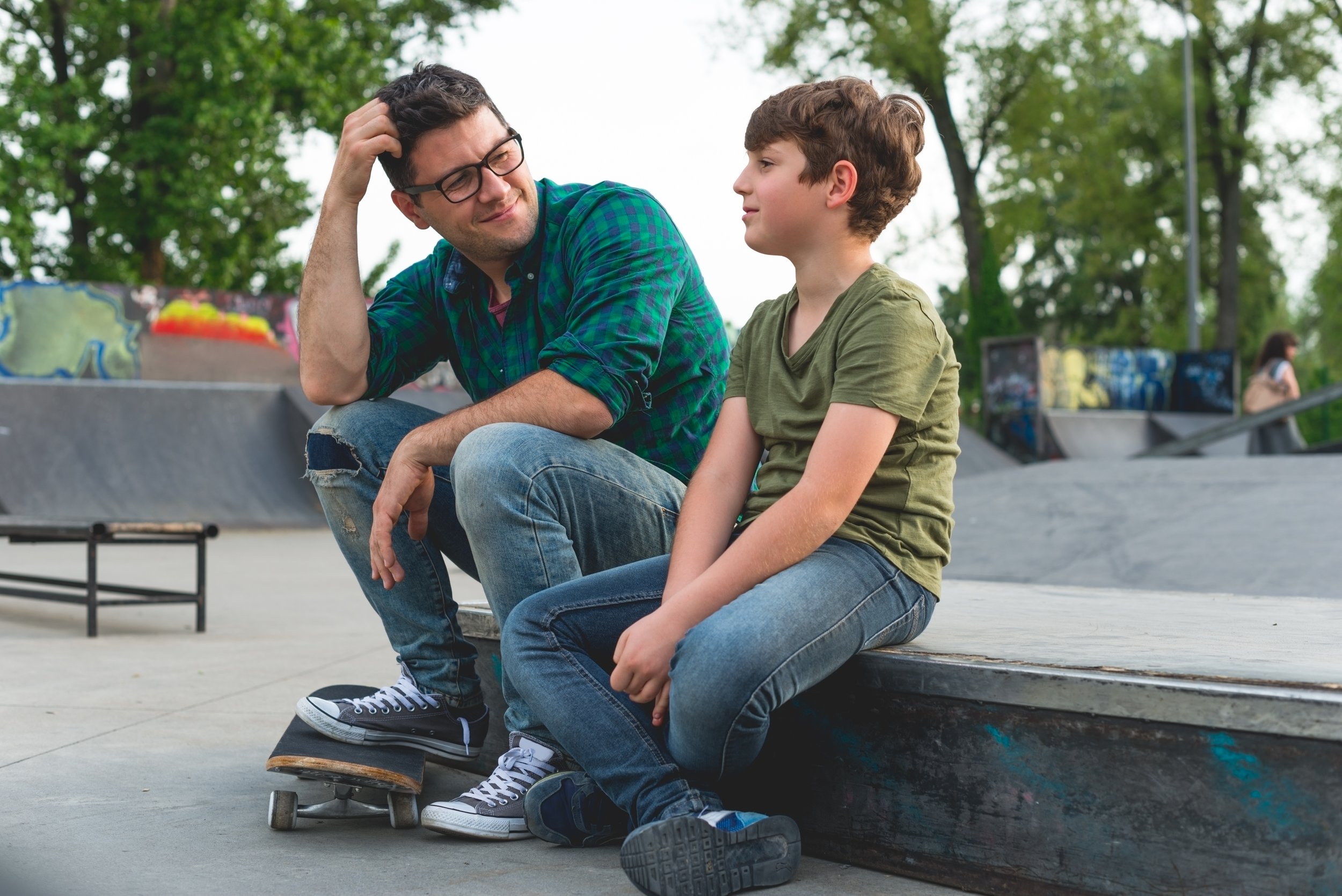
Once your child’s calmer, you can create a safe space to talk. It can be best to start the conversation with curiosity: “Something seems really hard right now. Can you tell me a bit about it?”
Some kids won’t open up right away, and that’s okay. You can try and encourage them to talk by doing an activity together like colouring, sharing a similar experience from your own life, normalizing their feelings, and reminding them that they can come to you whenever they feel ready.

The bottom line
When it comes to anger, remember that it’s often just a signal, not the problem itself. By paying attention to the signs, staying curious, and helping your child name and understand their feelings, you’re teaching them an important life skill: how to manage big emotions.
It may not always be easy, but each small step helps your child voice their needs and better understand their feelings. Most importantly, you’re not alone. We’re here to help you and your family navigate challenges and feel supported! Visit our website to learn about our individual, family, and kids counselling options.
Information for this blog was provided by registered social worker Aja Manning. Learn more about our counsellors.